H1: Lithium Molecular Sieve for Oxygen Concentrator
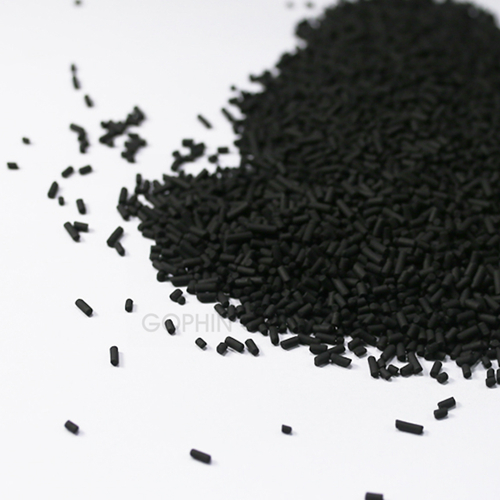
Lithium molecular sieve (LiX) is a high-performance adsorbent specifically designed for oxygen concentrators and PSA (Pressure Swing Adsorption) oxygen generation systems. Compared with traditional molecular sieves such as 13X, lithium-based zeolite offers significantly higher nitrogen adsorption capacity, enabling higher oxygen purity and lower energy consumption.
H2: What is Lithium Molecular Sieve (LiX)?
Lithium molecular sieve is a type of synthetic zeolite where sodium ions are exchanged with lithium ions. This ion exchange process enhances its selectivity for nitrogen (N₂), making it highly effective in air separation processes.
In oxygen concentrators, lithium molecular sieve selectively adsorbs nitrogen from compressed air while allowing oxygen to pass through, resulting in enriched oxygen output.
H2: How Lithium Molecular Sieve Works in Oxygen Concentrators
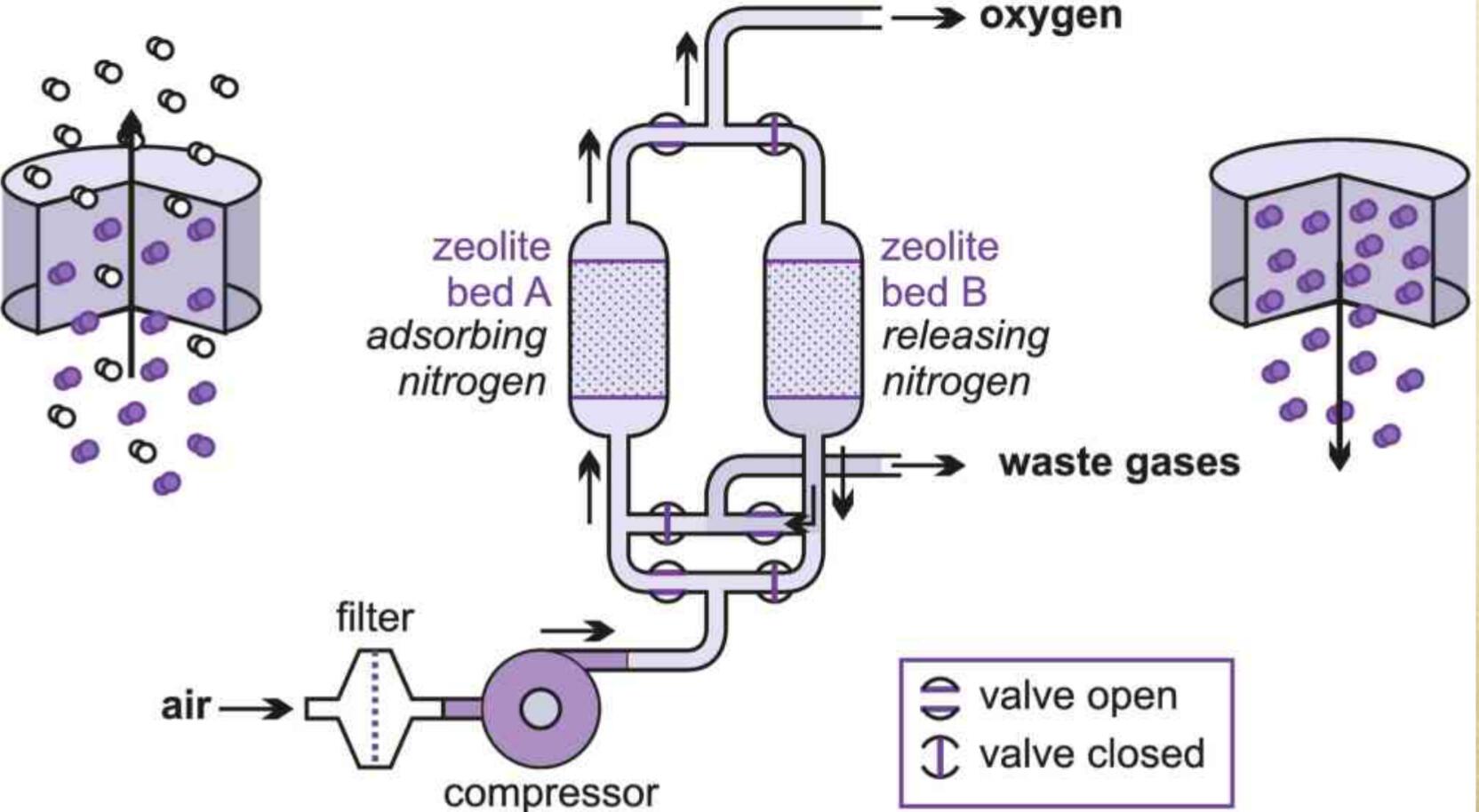
In a typical PSA oxygen concentrator:
1. Compressed air enters the adsorption tower
2. Nitrogen (N₂) is preferentially adsorbed by the lithium molecular sieve
3. Oxygen (O₂) passes through as the product gas
4. The sieve is regenerated by pressure reduction
This cyclic process allows continuous oxygen production.
H2: Advantages of Lithium Molecular Sieve
1. Higher Nitrogen Adsorption Capacity
Lithium molecular sieve has significantly higher N₂ adsorption compared to 13X, improving oxygen concentration efficiency.
2. Higher Oxygen Purity
It enables oxygen purity levels up to 93–95% in PSA systems.
3. Lower Energy Consumption
Due to its higher efficiency, less compressed air and lower cycle time are required.
4. Faster Adsorption Kinetics
Faster adsorption and desorption improve system productivity.
5. Longer Service Life
Stable structure ensures long-term performance under repeated cycles.
H2: Typical Specifications OF LiX Molecular Sieve
| Item |
EniSorb Li-X Molecular Sieve |
| Application |
VSA/ VPSA Oxygen Concentrator Device |
| Diameter (mm) |
1.6~2.5 |
0.4~0.8 |
0.8~1.3 |
1.2~1.7 |
| N2 Adsorption Capacity (ml/g) |
≥22 |
≥22 |
≥22 |
≥22 |
| N2, O2 Separation Ratio |
≥6.2 |
≥6.3 |
≥6.2 |
≥6.2 |
| Average Crush Strength (N/pc) |
25±3 |
~ |
~ |
≥11 |
| Bulk Density (g/ml) |
0.60~0.66 |
0.60~0.66 |
0.60~0.66 |
0.60~0.66 |
| Package Moisture (%) |
≤0.50 |
≤0.50 |
≤0.50 |
≤0.50 |
| Package |
25kg/drum, or 125kg/drum |
H2: Applications of Lithium Molecular Sieve
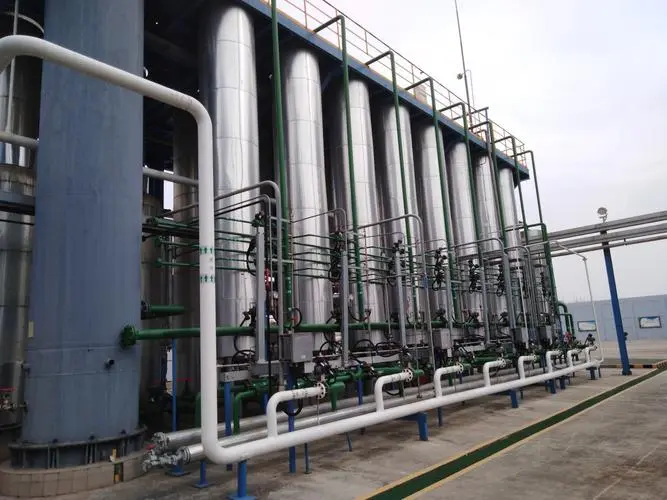
Lithium molecular sieve is widely used in:
• Medical oxygen concentrators
• Portable oxygen generators
• Industrial PSA oxygen plants
• Oxygen supply systems
H2: Why Lithium Molecular Sieve is Ideal for PSA Oxygen Systems
The key factor in PSA oxygen production is the selective adsorption of nitrogen. Lithium ions enhance the electrostatic interaction between the sieve and nitrogen molecules, resulting in superior separation performance.
This makes lithium molecular sieve the preferred choice for modern oxygen concentrator manufacturers.
H2: FAQ (Frequently Asked Questions)
Q1: What is LiX molecular sieve?
LiX molecular sieve is a lithium-exchanged X-type zeolite designed for efficient nitrogen adsorption in oxygen generation systems.
Q2: Why is lithium molecular sieve better than 13X-HP?
Because it has higher nitrogen selectivity, faster adsorption, and allows higher oxygen purity with lower energy consumption.
Q3: What particle size is suitable for oxygen concentrators?
Common sizes include 0.4-0.8 mm 0.8-1.2mm, depending on system design and airflow requirements.
Q4: What oxygen purity can be achieved?
Typically 93+/-3%, depending on system configuration and operating conditions.
Q5: How long does lithium molecular sieve last?
Under proper operating conditions, it can last 7-10 years with stable performance.
H2: Contact Us
For bulk supply, OEM solutions, or technical data support of lithium molecular sieve (LiX), please contact us for quotation and samples.